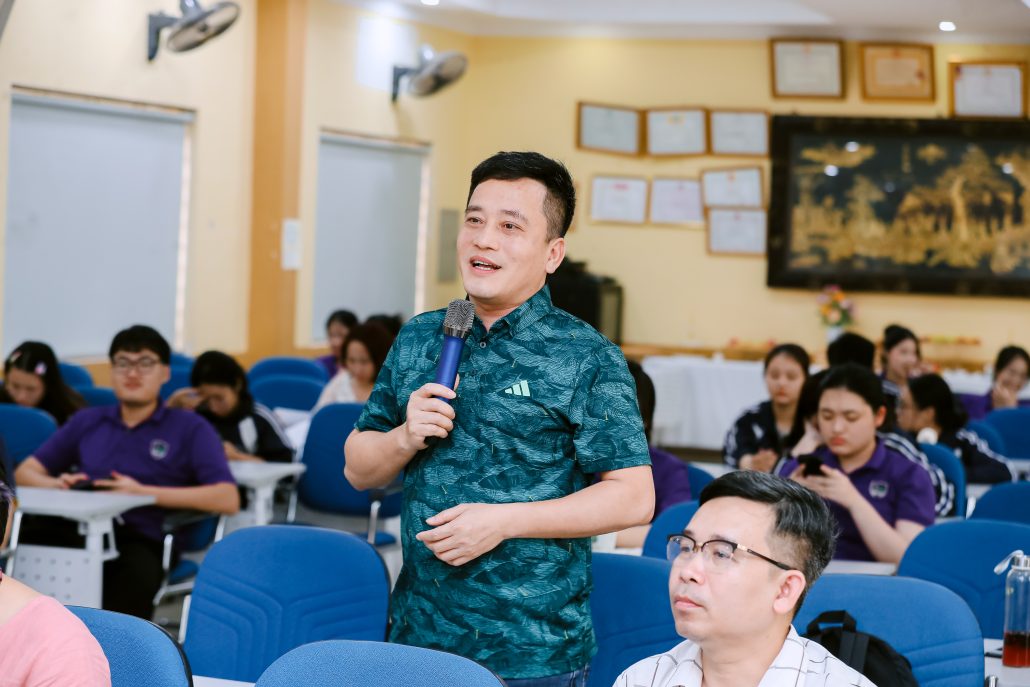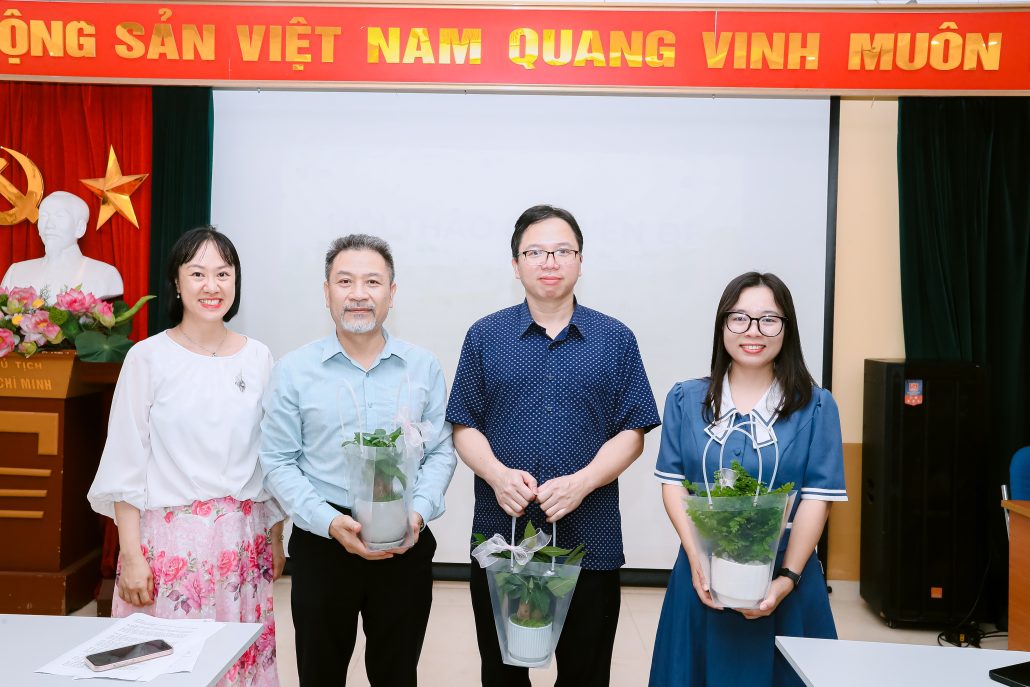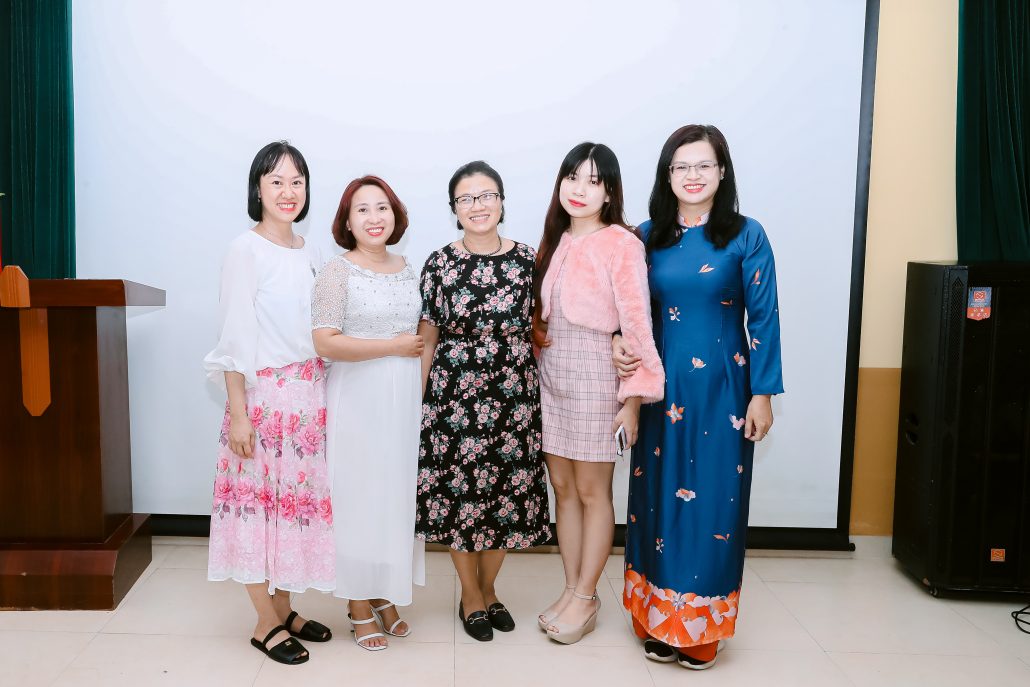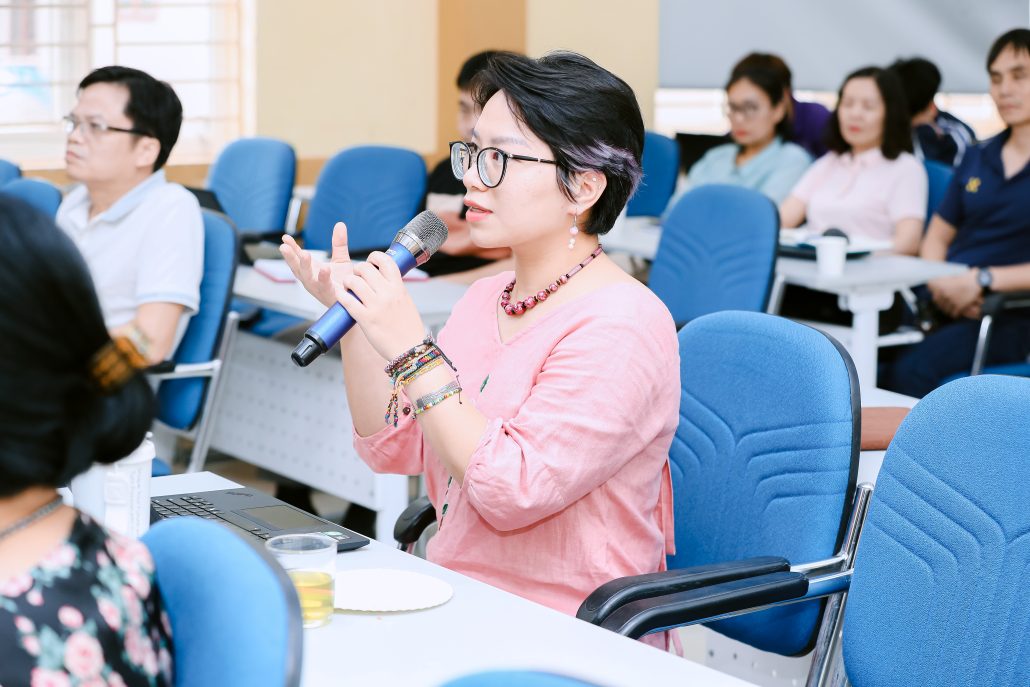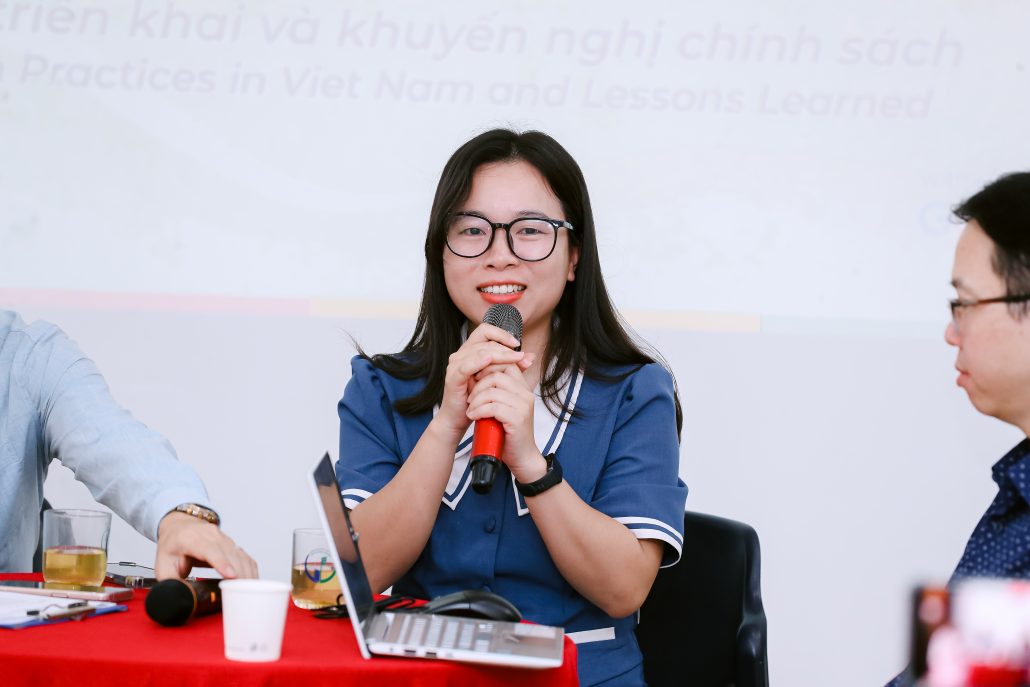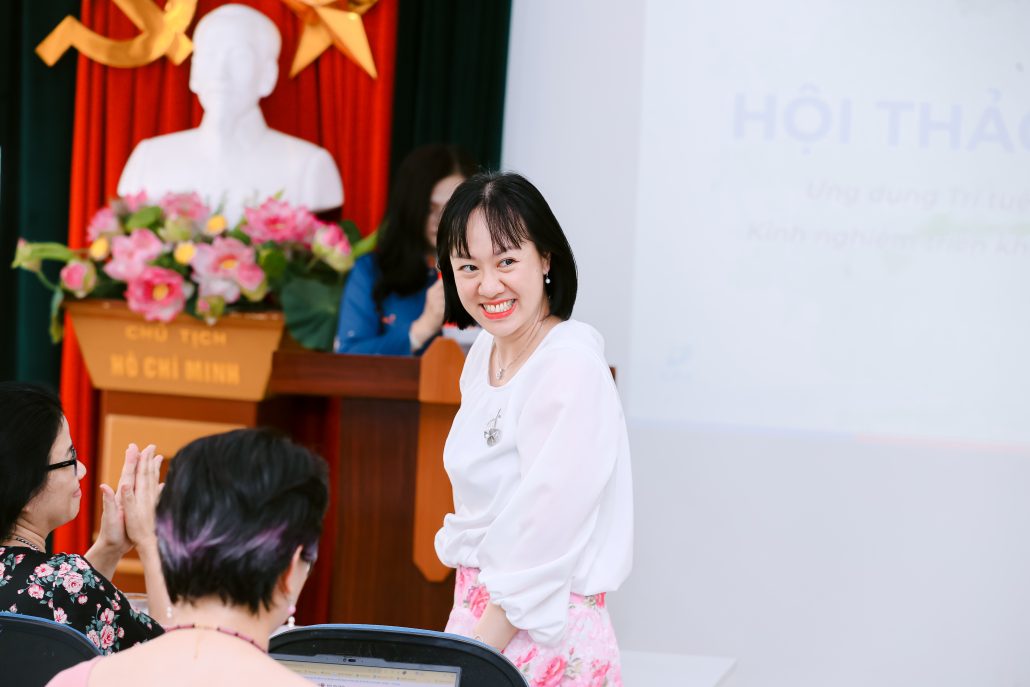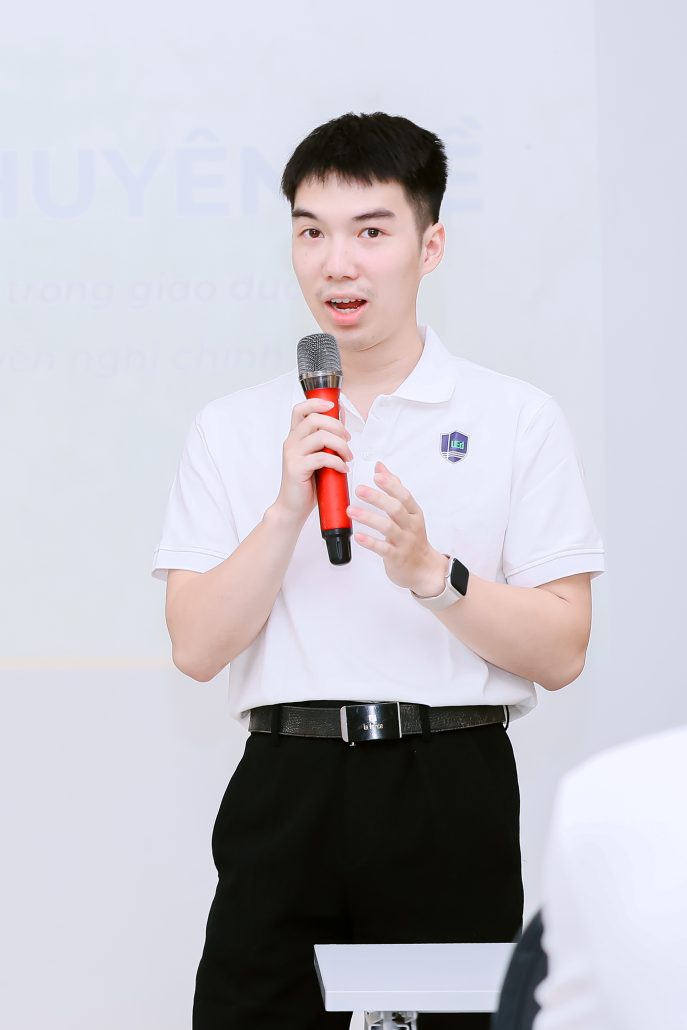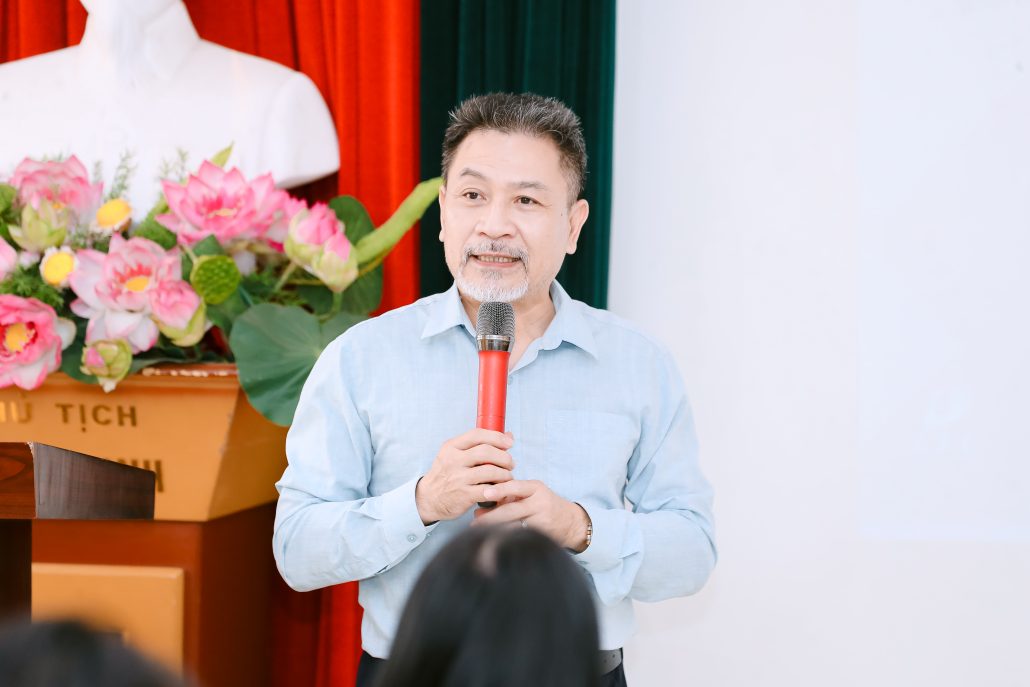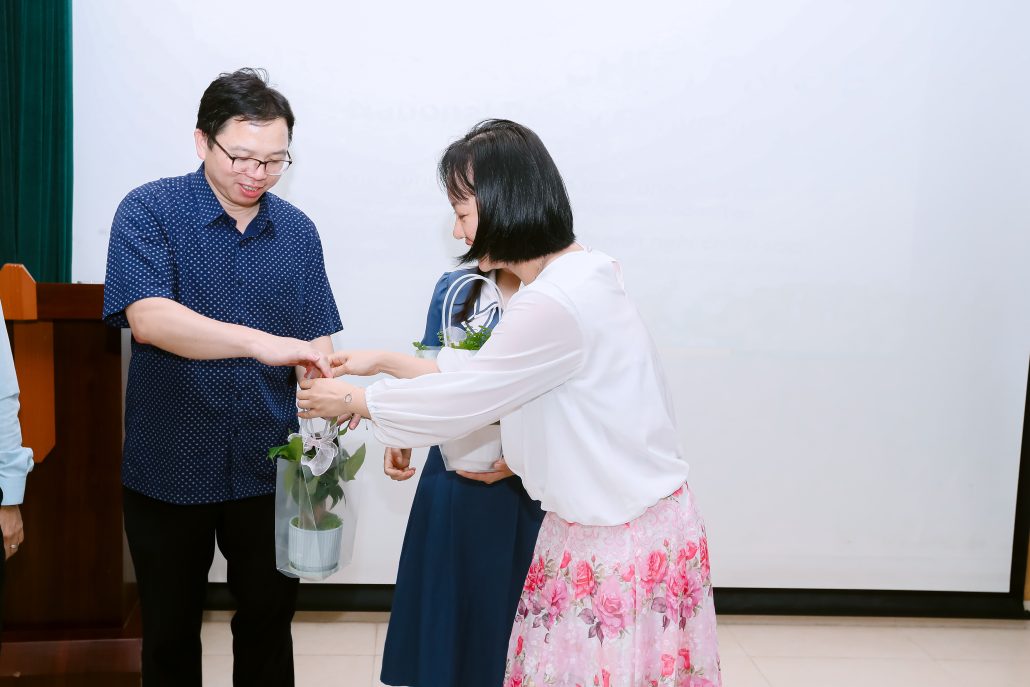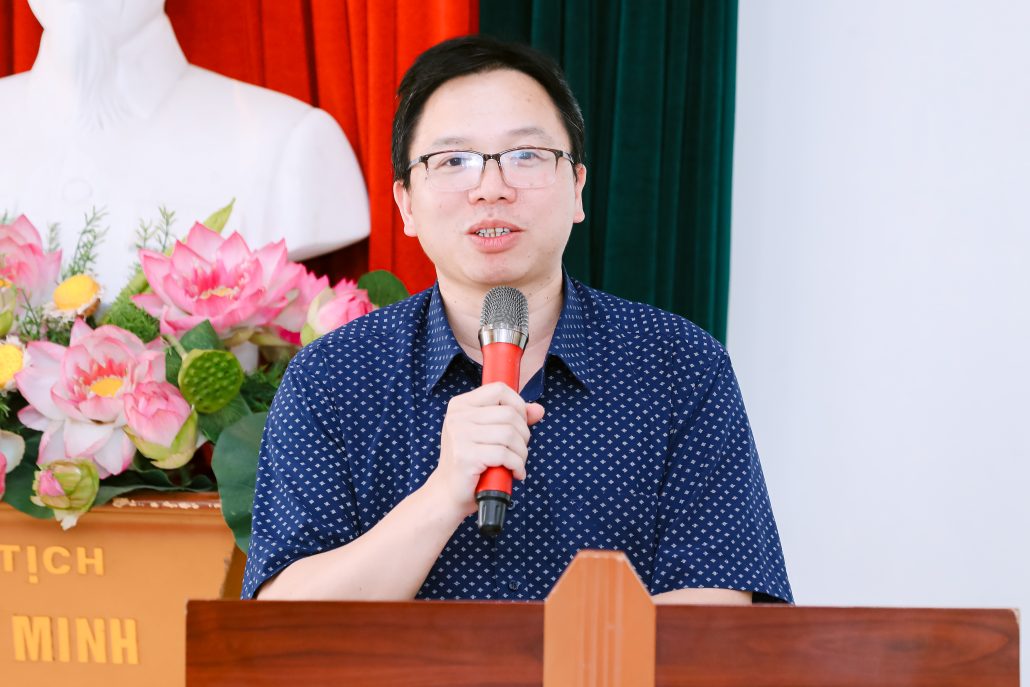
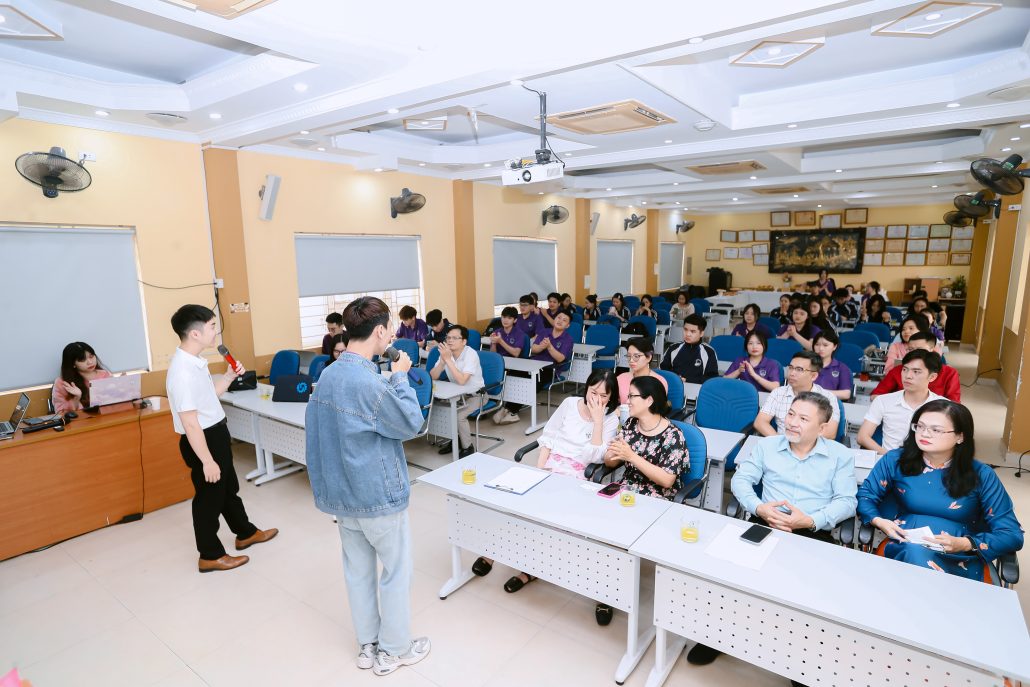
On the afternoon of Tuesday, April 14, 2026, in the modern and vibrant setting of the University of Education – Vietnam National University, Hanoi (VNU-UED), the thematic seminar “Applying Artificial Intelligence in Education – Practical Implementation and Lessons Learned” was successfully held.
More than just a project closing event, the seminar became a gathering place for passionate educators and partners who came together to envision a future where technology and humanity go hand in hand.
An Energetic Opening and the Presence of Changemakers

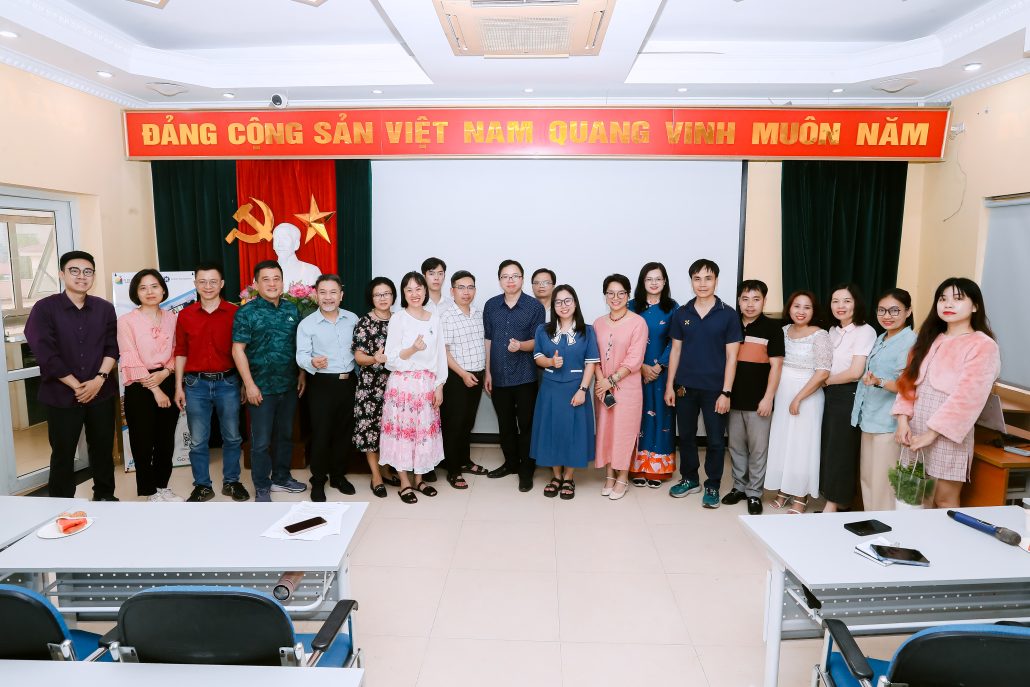
The event was honored by the presence of distinguished guests, leaders, and experts in the field, including:
- Ms. Tu Le Thao – Education Officer, UNICEF Vietnam;
- Dr. Ton Quang Cuong – Dean of the Faculty of Educational Technology, University of Education (Vietnam National University, Hanoi);
- Ms. Dao Hong Quyen – Founder of the STEM Education Promotion Alliance (SEPA);
- Ms. Dau Thuy Ha – Secretary of the Preschool Education Association;
along with representatives from the Departments of Education and Training of Lang Son and Lai Chau provinces, and CFC Vietnam.
In the opening remarks, a congratulatory message from Mr. Piti Srirangnam, Executive Director of the ASEAN Foundation, highlighted the importance of preparing the younger generation with an AI-ready mindset, while also recognizing the impressive achievements and positive impact of the AI Ready ASEAN project.
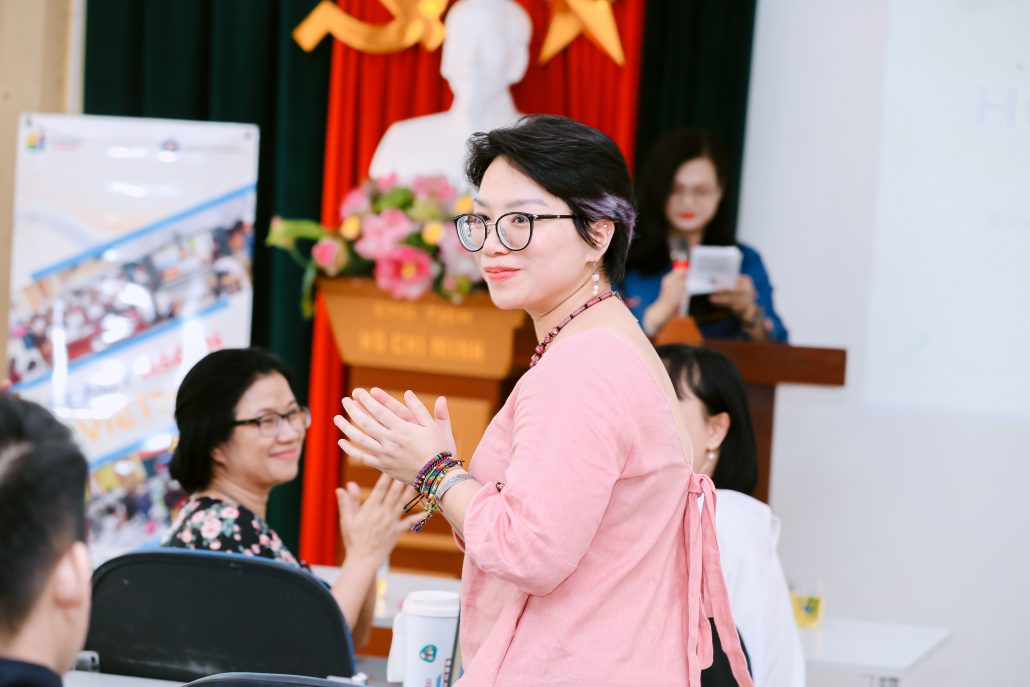
Powerful Impact and “Speaking” Numbers
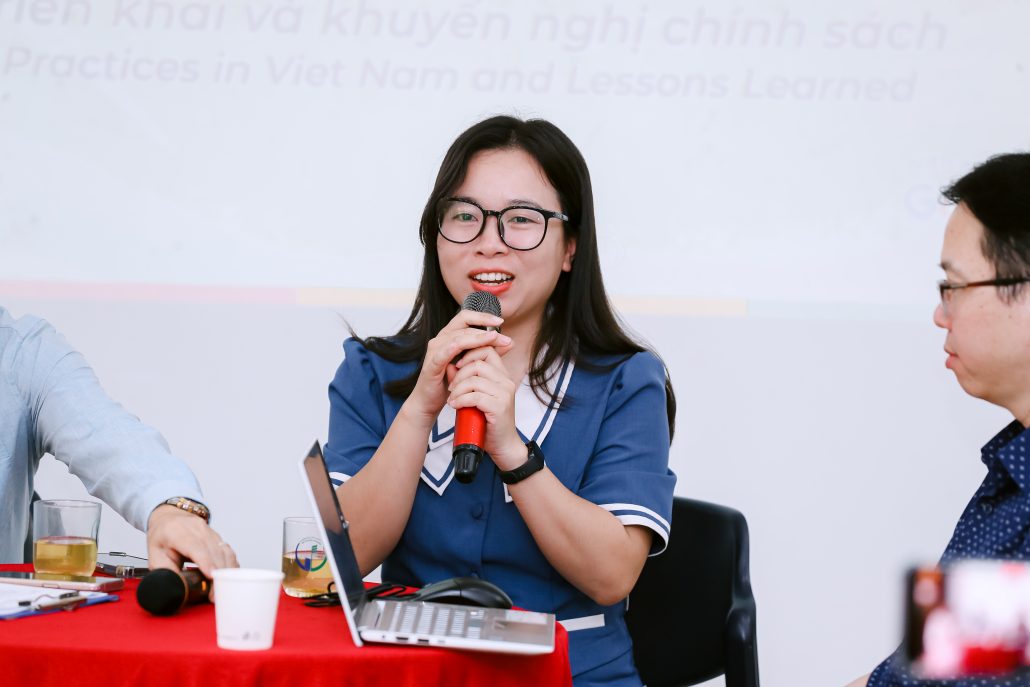
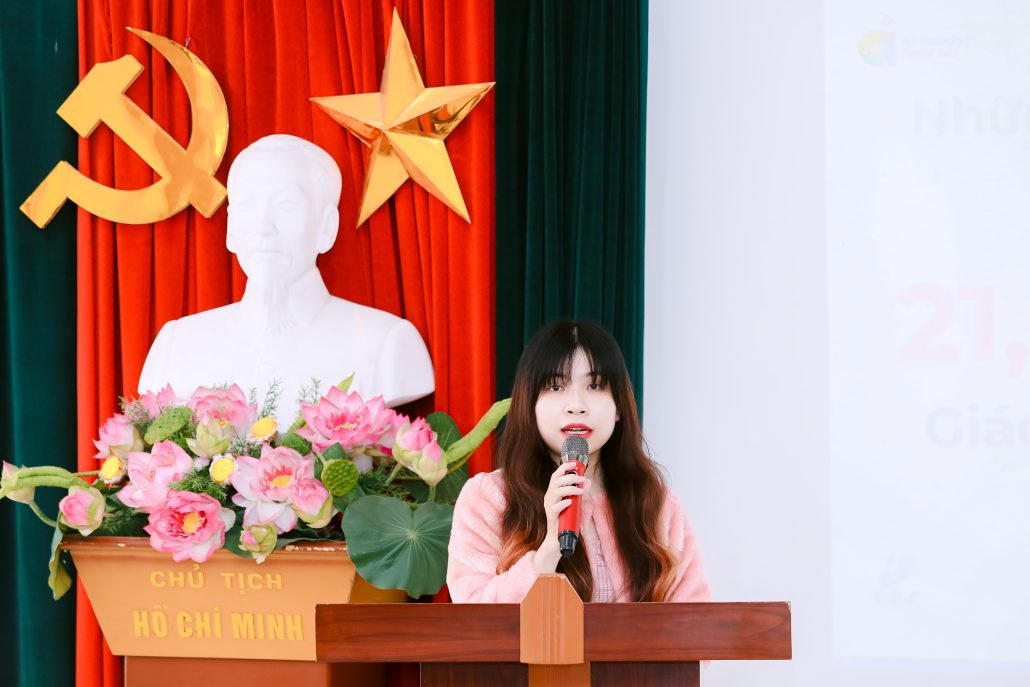
The discussion session offered a comprehensive look into Vietnam’s educational transformation journey through the AI Ready ASEAN project. Ms. Nguyen Phuong Linh (CFC Vietnam) shared the project’s impressive achievements and impact in Vietnam.
-
- More than 204,352 beneficiaries reached, far exceeding the project’s initial expectations.
- The project placed a strong emphasis on inclusivity, with 53.51% female participation, ensuring that no one was left behind — including students from disadvantaged areas and persons with disabilities.
- The project also demonstrated exceptional implementation capacity, with the intensive training indicator reaching 791% of the original target.
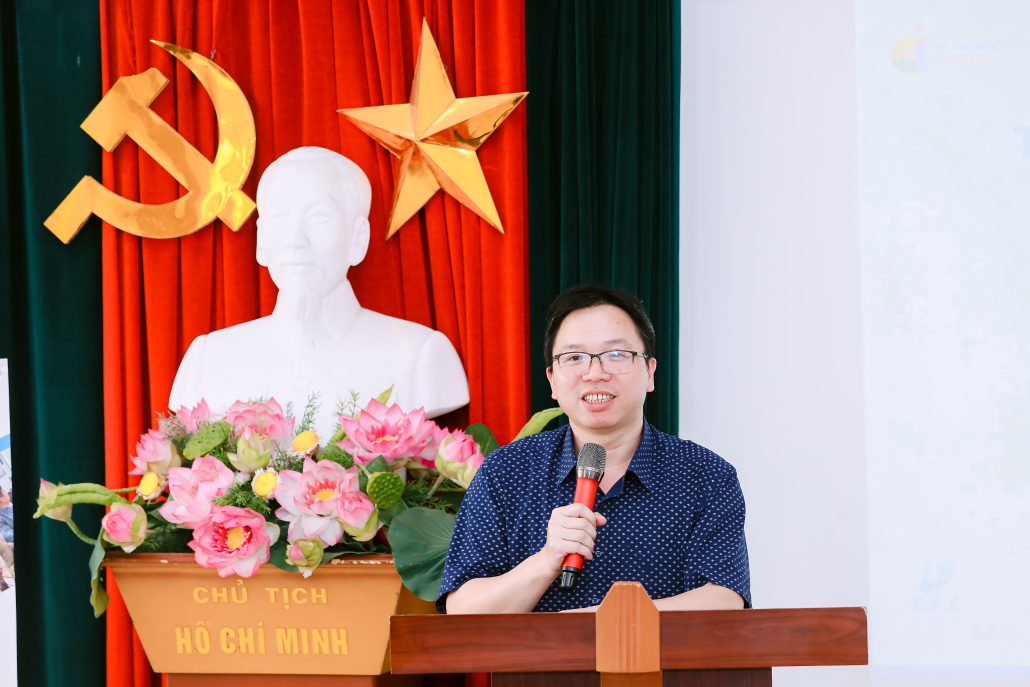
From local implementation experience, Mr. Hoang Van Thao (Lang Son Department of Education and Training) delivered an inspiring presentation on the “ripple effect” model. Lang Son transformed the challenges of a mountainous province into opportunities by successfully training more than 15,000 teachers and helping 123,829 students gain access to digital citizenship knowledge. Practical, hands-on skills such as prompt writing, AI-powered lesson planning, and AI video creation directly addressed teachers’ real challenges and unlocked their creativity.
Redefining the Role of AI: From a Tool to a “Co-Creation Partner”
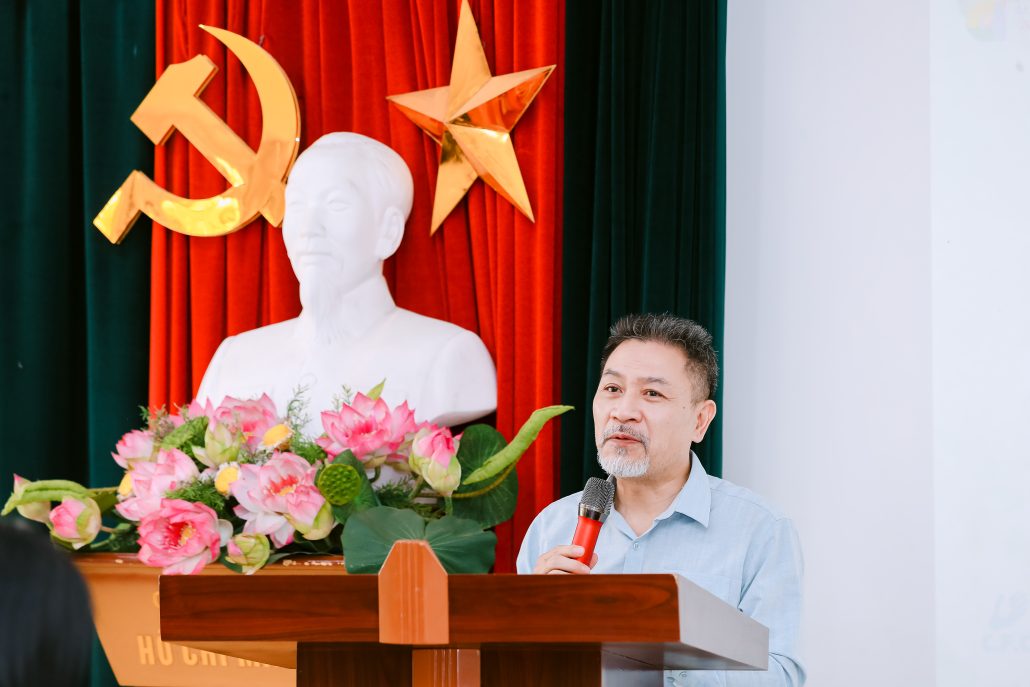
At the seminar, Dr. Ton Quang Cuong shared insightful perspectives on Digital Competence and Digital Citizenship Competence. AI is no longer just a virtual assistant — it is gradually becoming a “co-creation partner”, helping personalize learning pathways and improve productivity. This reinforces a key message: AI will not replace teachers; however, teachers who use AI may replace those who do not.
Roundtable Discussion: Policy Recommendations and a Vision for the Future
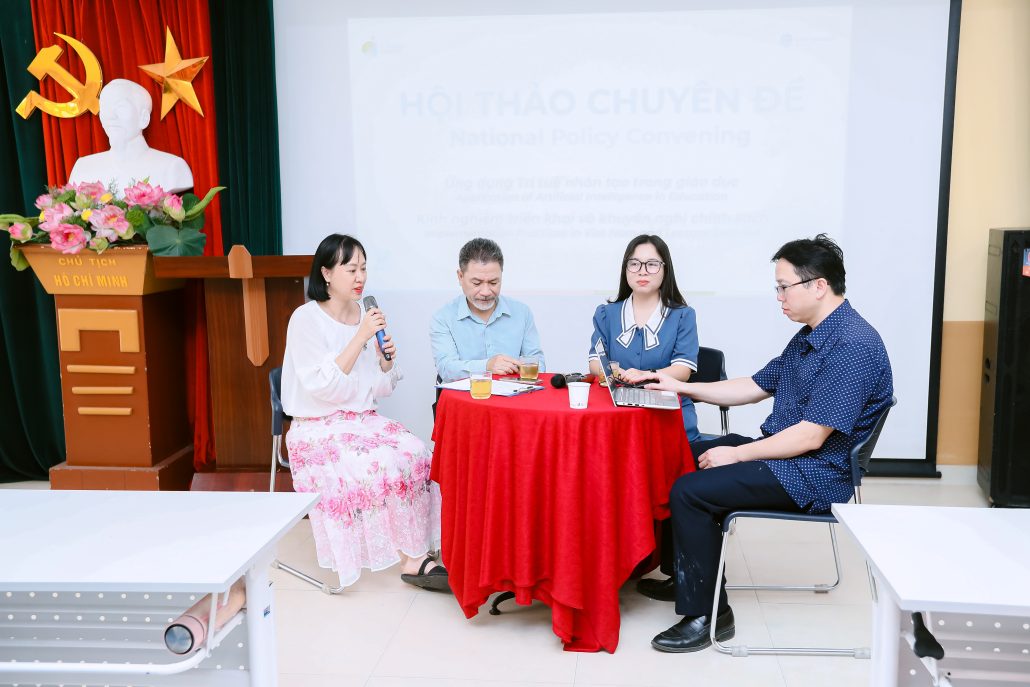
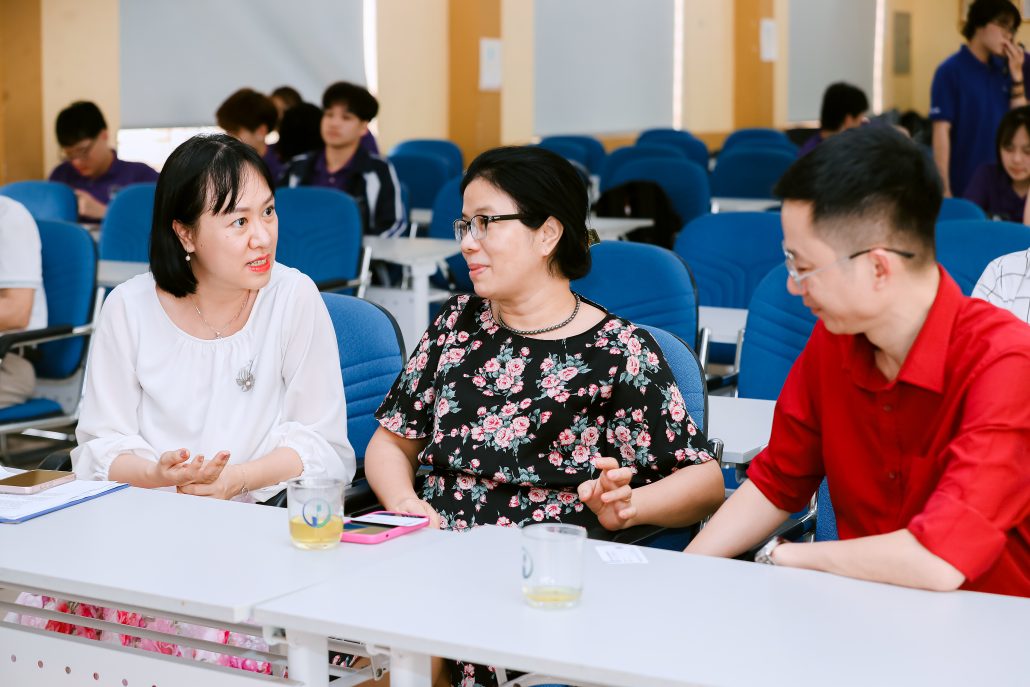
The roundtable discussion took place in an open and engaging atmosphere, with participation from experts representing Lang Son Province, the University of Education, SEPA, and CFC Vietnam. Several valuable lessons and insights emerged from the discussion:
- The importance of proactive educators: Successful AI integration depends greatly on teachers’ willingness to learn and on fostering a culture of innovation within schools.
- Putting people at the center: Ensuring ethics, responsibility, and digital safety must remain a priority in the application of AI in education.
- Policy recommendations: There is a need for a standardized AI curriculum framework for K–12 students, along with support for licensed AI accounts and digital resources for disadvantaged areas.